Robert Sanchis-Álvarez
I’m a scholar of nineteenth-century Spain and the Philippines,
working across architecture, archives, and print.
PhD Candidate in Spanish · University of Virginia
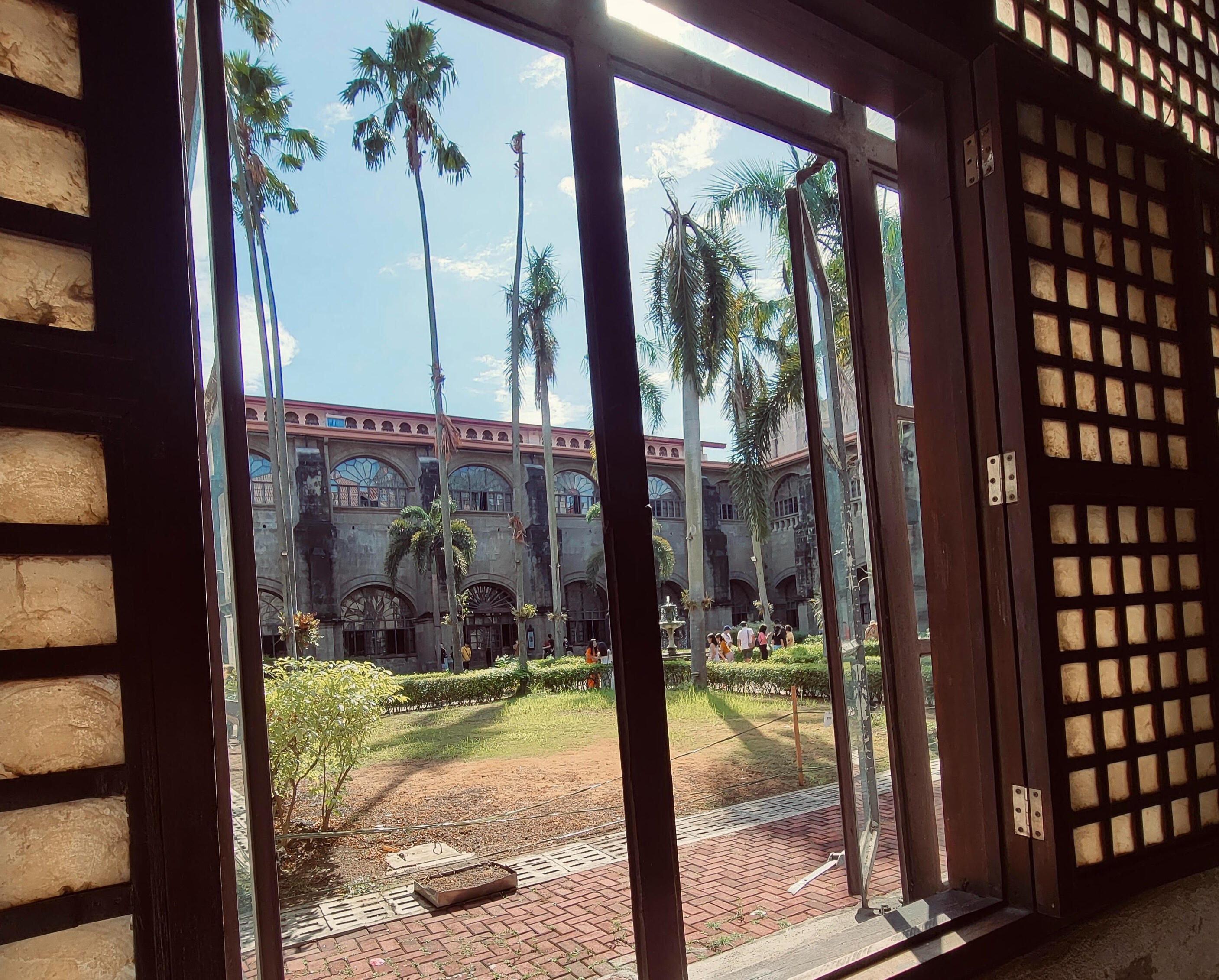
San Agustín Church´s Cloister and Archives, Manila.© 2026 Robert Sanchis-Álvarez
El Látigo Nacional Repatriation Project
Recovery and archival repatriation of a rare 1893 Filipino reformist newspaper from Barcelona to Iloilo.
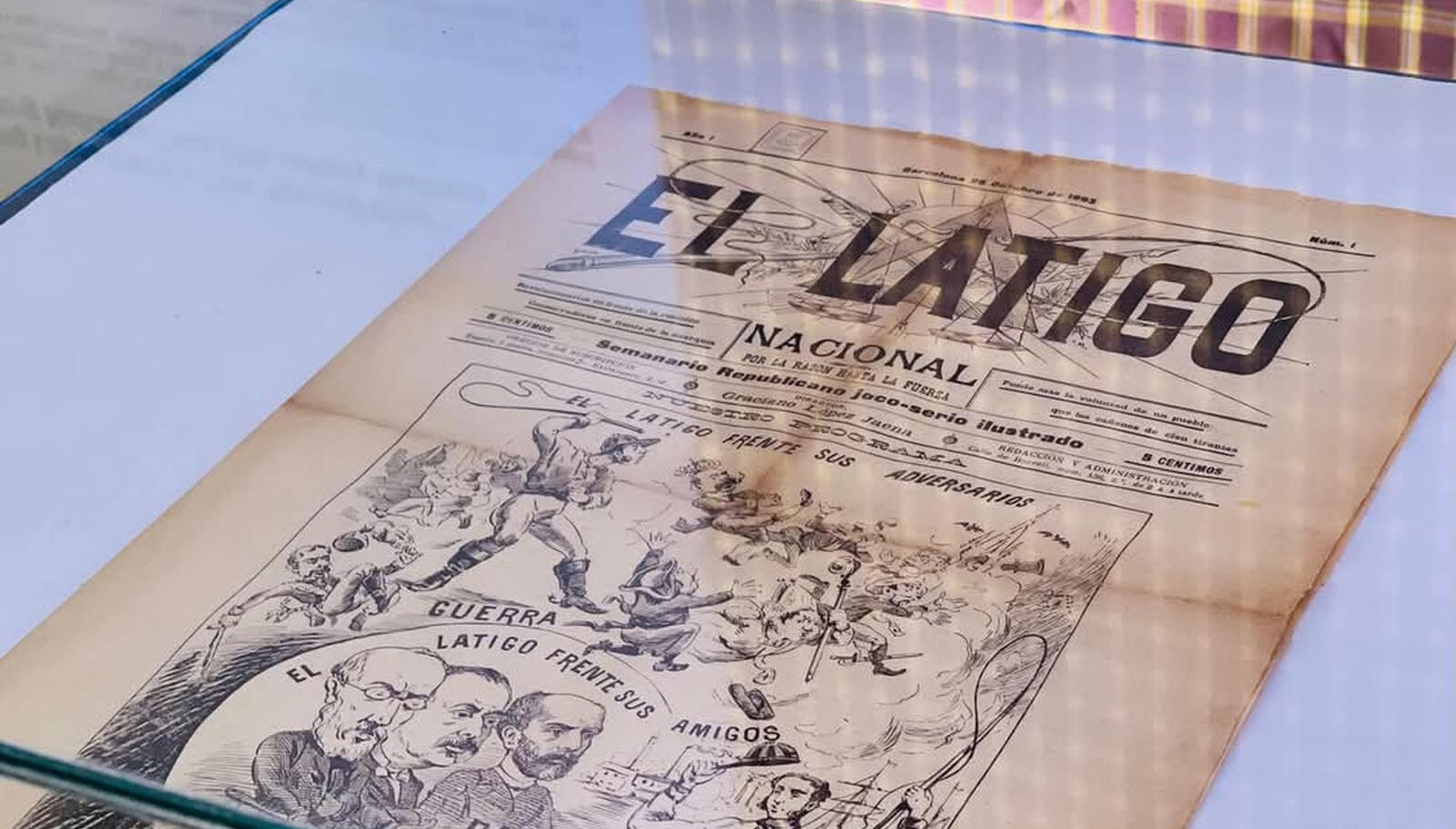
El Látigo Nacional on display at the Center for West Visayan Studies, University of the Philippines Visayas, Iloilo. May 2025
OverviewEl Látigo Nacional (Barcelona, 1893) was the last newspaper directed by the Filipino reformist Graciano López Jaena. For more than a century, it survived largely as a title cited in accounts of his life, with no known copy held in the Philippines. After locating a surviving issue in private circulation in Barcelona in 2023, I began coordinating its archival conservation and repatriation through partnerships in Spain and the Philippines. The newspaper was digitized at the University of Barcelona and later conserved at the Ateneo de Manila University Archives before its formal transfer to the Center for West Visayan Studies at the University of the Philippines Visayas, where it is now held in Iloilo.
TIMELINE
2023 — Barcelona
A surviving issue was located in private circulation.2024 — Barcelona
The newspaper was digitized at the University of Barcelona and prepared for transfer.2025 — Manila
Conservation work was undertaken at the Ateneo de Manila University Archives.May 2025 — Iloilo
The newspaper was formally repatriated during a public symposium and archival turnover ceremony at UP Visayas.2026 — Iloilo
The newspaper was exhibited by the UPV Museum of Art and Cultural Heritage.
SELECTED COVERAGE
Philippine press
Rappler · Daily Guardian Iloilo
Philippine Daily Inquirer · Manila BulletinInstitutional coverage
National Museum PH - Iloilo
University of Virginia Today
RETURN TO ILOILO
On 7 May 2025, the project culminated in a public symposium and archival turnover ceremony at UP Visayas, co-organized with the Center for West Visayan Studies. The program opened with my lecture, “El Látigo Nacional and the Afterlives of Print,” and included contributions from NHCP Commissioner Francis M. Navarro and Professor Ricardo Padrón of the University of Virginia. UPV Chancellor Clement Camposano, CWVS Director Anthea Redison, and members of the López Jaena family participated in the formal handover, which placed the surviving issue in the care of CWVS.


AFTER THE RETURN
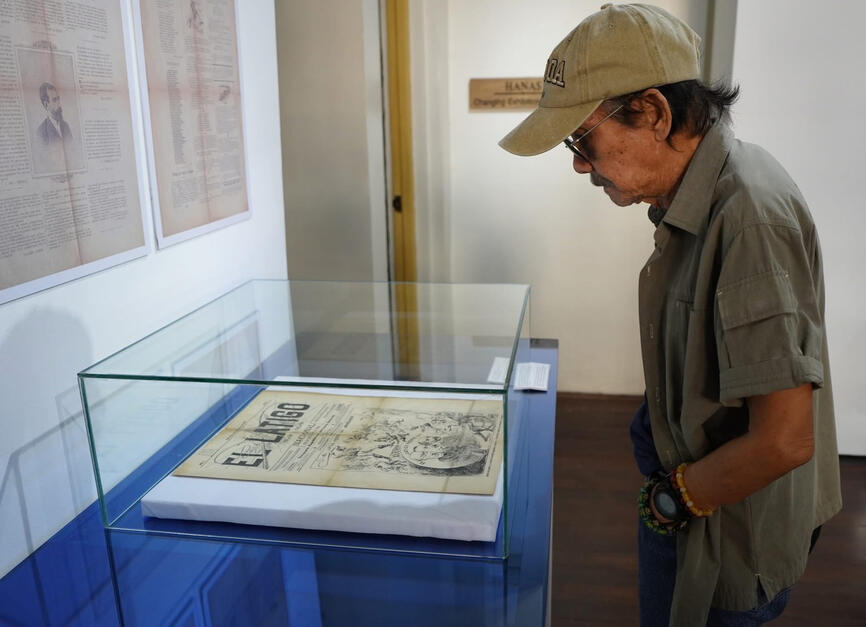
Western Visayan artist and former UP Visayas professor Ed Defensor views El Látigo Nacional at the UPV Museum of Art and Cultural Heritage, Iloilo, 2026.
Photograph courtesy of the UPV Museum of Art and Cultural Heritage.
ON DISPLAY IN ILOILOFollowing its transfer to CWVS, El Látigo Nacional was exhibited in 2026 by the UPV Museum of Art and Cultural Heritage, bringing the recovered newspaper into public view in López Jaena’s home region.
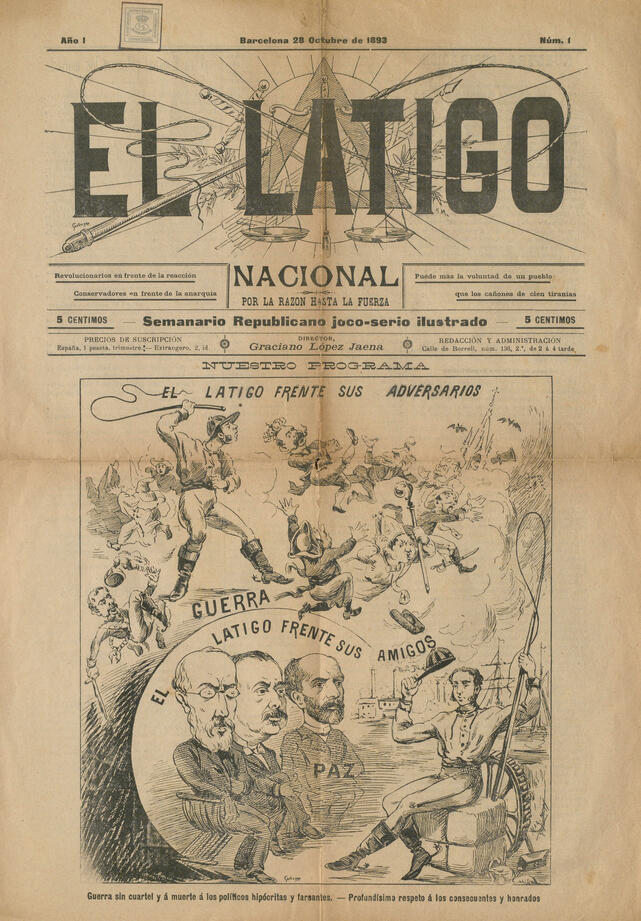
FORTHCOMING EDITIONBilingual critical edition and facsimile · Calambur Editorial, under contract
Project directorThe volume reproduces the 1893 issue in full, with a complete English translation, a critical introduction, and contributions from scholars and institutional partners at UP Visayas, including Chancellor Clement Camposano and the Center for West Visayan Studies.
SUPPORTED BYUniversity of Virginia Department of Spanish, Italian and Portuguese · East Asia Center UVA · Center for Global Inquiry and Innovation
Printed Catalonia in Manila
Catalan print culture and colonial afterlives in the Philippines, 1885–1930.
At the turn of the twentieth century, Catalan-language periodicals circulated in Manila amid the transition from Spanish to American rule. Produced by diasporic associations and cultural networks, these publications offered a printed forum for imagining Catalonia from overseas.Printed Catalonia in Manila reconstructs the print ecology that developed around Catalan periodicals and other publications produced in the Philippines between 1885 and 1930. It asks how Catalan self-representation was sustained by the archipelago’s commercial and colonial infrastructures, and how the Philippines entered these publications in selective and uneven forms. The corpus’s uneven preservation is also part of the argument, shaping what can now be recovered of this cultural formation.The project is supported by a 2026 Literary Research Grant from the Government of Catalonia (Generalitat de Catalunya). Related work has been presented at the Modern Language Association and the Instituto Cervantes de Manila.
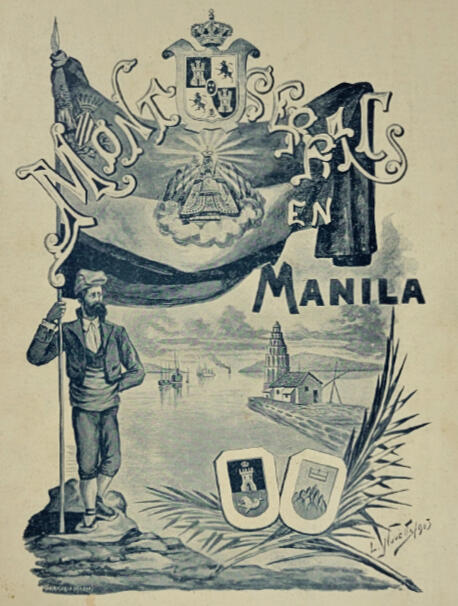
Cover of Montserrat en Manila, Manila, 1903.
This bilingual StoryMap brings together the corpus of city drawings in Felipe Guaman Poma de Ayala’s early seventeenth-century Nueva corónica y buen gobierno, drawing on the manuscript held and digitized by the Royal Danish Library. Through close reading and spatial analysis, it examines how these images transform urban representation into a visual language of colonial order and how the manuscript imagines the colonial city and its contested geographies.
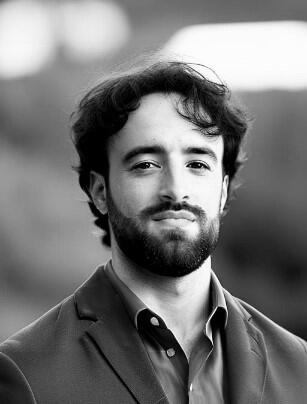
I am a PhD candidate in Spanish at the University of Virginia, with additional training in urban history and design at the UVA School of Architecture. My work examines the cultural and material worlds of nineteenth-century Spain and the Philippines, bringing literary and cultural studies into conversation with architectural history and archival practice.My dissertation, Beyond Empire’s Reach: Microgeographies of Empire in the Colonial Philippines, argues that stairs, service passages, balconies, thresholds, ruins, and other seemingly minor spaces constituted microgeographies of empire: everyday spatial technologies through which colonial power organized mobility, labor, visibility, and social hierarchy. Reading narratives from Spain and the Philippines alongside architectural and archival materials, the dissertation shows how these spaces helped produce and contest colonial rule in daily life. It also treats the archive as one of the material institutions through which colonial realities were produced and preserved.Alongside the dissertation, I develop archival and public humanities projects concerned with how documents and collections move between institutions, and with the politics of custody and public access. These include the repatriation of El Látigo Nacional and Printed Catalonia in Manila, a digital research space on Catalan print culture in the Philippines.
RESEARCH
DISSERTATION
Beyond Empire’s Reach
Microgeographies of Empire in the Colonial Philippines
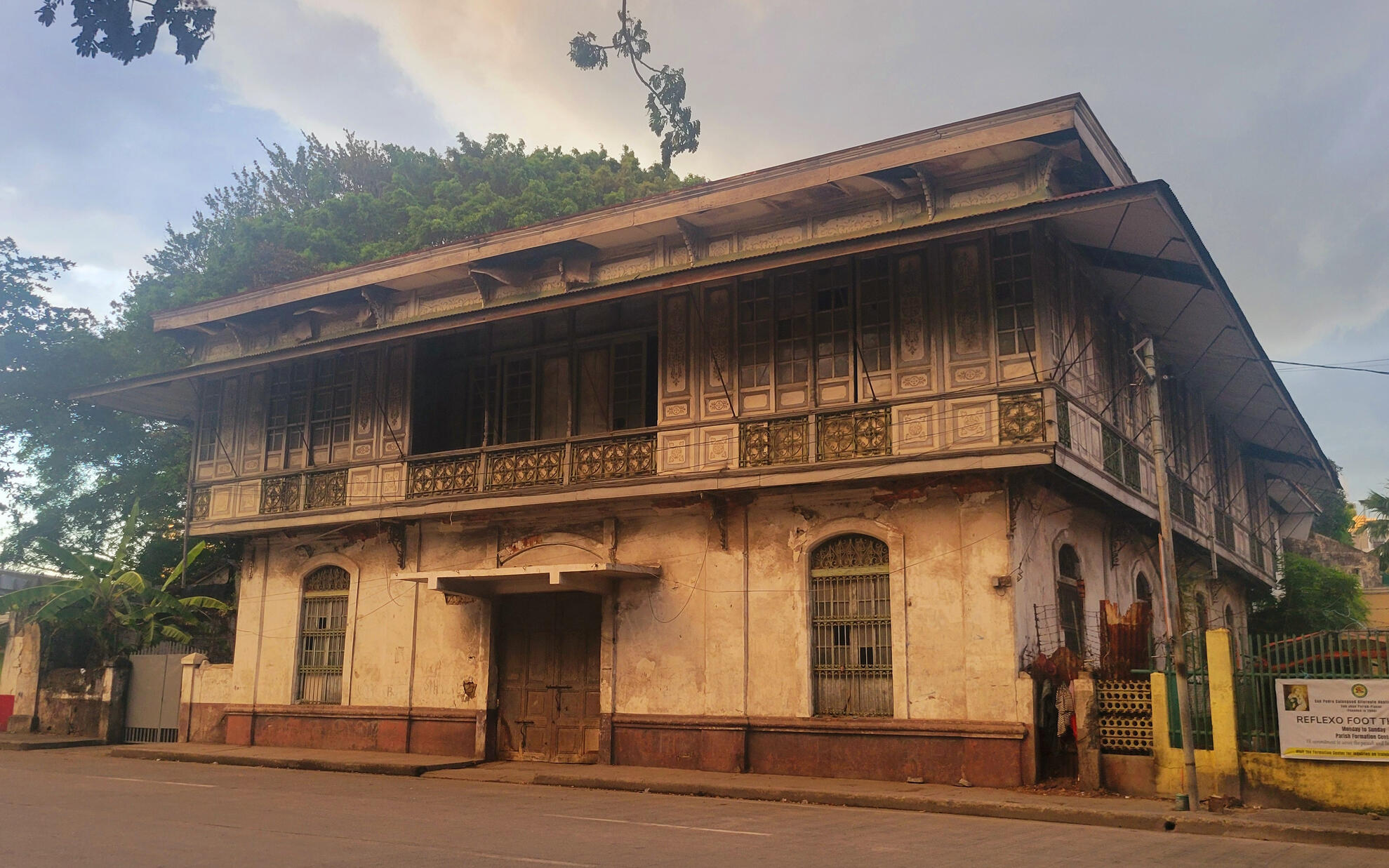
How did colonial power become embedded in the minor spaces of everyday life? Beyond Empire’s Reach examines the nineteenth-century Philippines through architectural forms that have often remained at the margins of imperial history. It traces how stairs, service passages, balconies, thresholds, and ruins organized movement and labor, made social distinctions visible, and created openings through which colonial order could be negotiated or evaded.The project places narratives from Spain and the Philippines in dialogue with legal disputes, architectural plans, newspapers, visual culture, and the surviving built environment. The archive emerges here as a material institution whose categories and practices helped shape the social realities it was meant to record. The dissertation understands empire as an uneven spatial process assembled through ordinary arrangements whose effects extended beyond the reach of formal institutions.
CRITICAL EDITION — UNDER CONTRACT
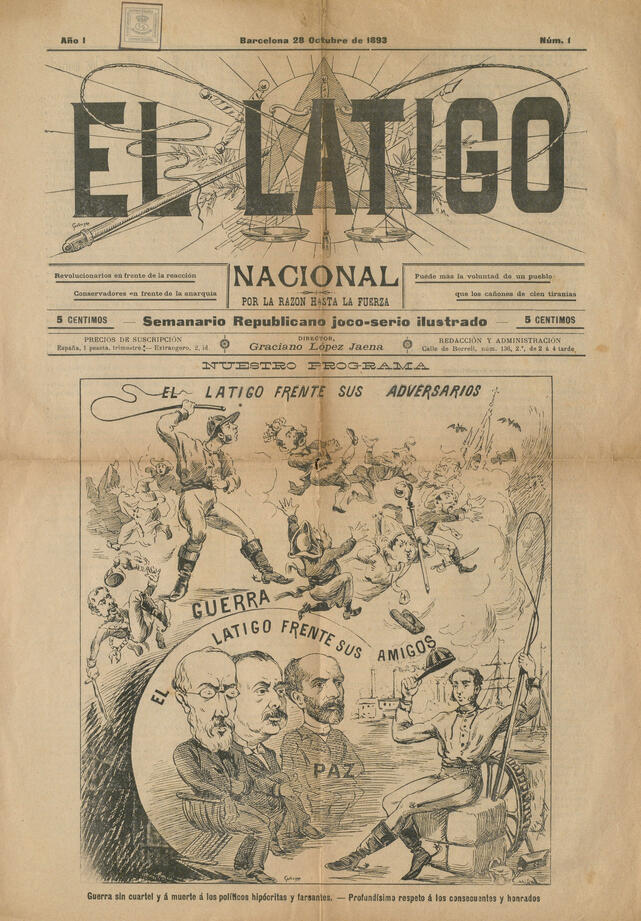
El Látigo Nacional Returns: A Bilingual Critical Edition and Facsimile
Calambur Editorial · Project director
The volume reproduces the 1893 issue in full, with an English translation, a critical introduction, and contributions from partners at University of Philippines Visayas.→ El Látigo Nacional Repatriation Project
SELECTED TALKS
“Catalan Presence in Colonial Print: Positionality and Empire in the Philippines”
Modern Language Association, Toronto · 2026
“Cultura impresa efímera en catalán en Filipinas (1885–1920)”
Symposium Literatura hispanofilipina entre dos imperios (1880–1920), Instituto Cervantes de Manila · 2026
“Oro, plata, mata: Counting Steps and the Everyday Order of Empire”
Invited lecture, Department of Global Studies, Central Luzon State University · 2026
“Introduction to Digital Returns: Digital Humanities Practices for Archival Repatriation”
Digital humanities workshop, Institute of the Humanities and Global Cultures, University of Virginia · 2025
“El Látigo Nacional and the Afterlives of Print”
Opening lecture, El Látigo Nacional Repatriation Ceremony and Symposium, Center for West Visayan Studies, University of the Philippines Visayas · 2025
TEACHING EXPERIENCE & PHILOSOPHY
At the University of Virginia, my courses range from beginning language instruction to advanced work in literature and cultural studies. They include professional Spanish, textual interpretation, Spain and the Global Hispanophone, with particular attention to the Philippines and its Southeast Asian and Pacific contexts.Across these courses, students move among literary texts, visual culture, and material objects, pursuing questions that develop over the semester. In upper-level courses, their notebooks gradually become “critical archives,” in which new readings reshape earlier ones and unexpected connections emerge. Museum and archives visits and conversations beyond the classroom bring other forms of knowledge into this process. I combine clear instruction with discussion and reflective writing, helping students become attentive and independent readers.
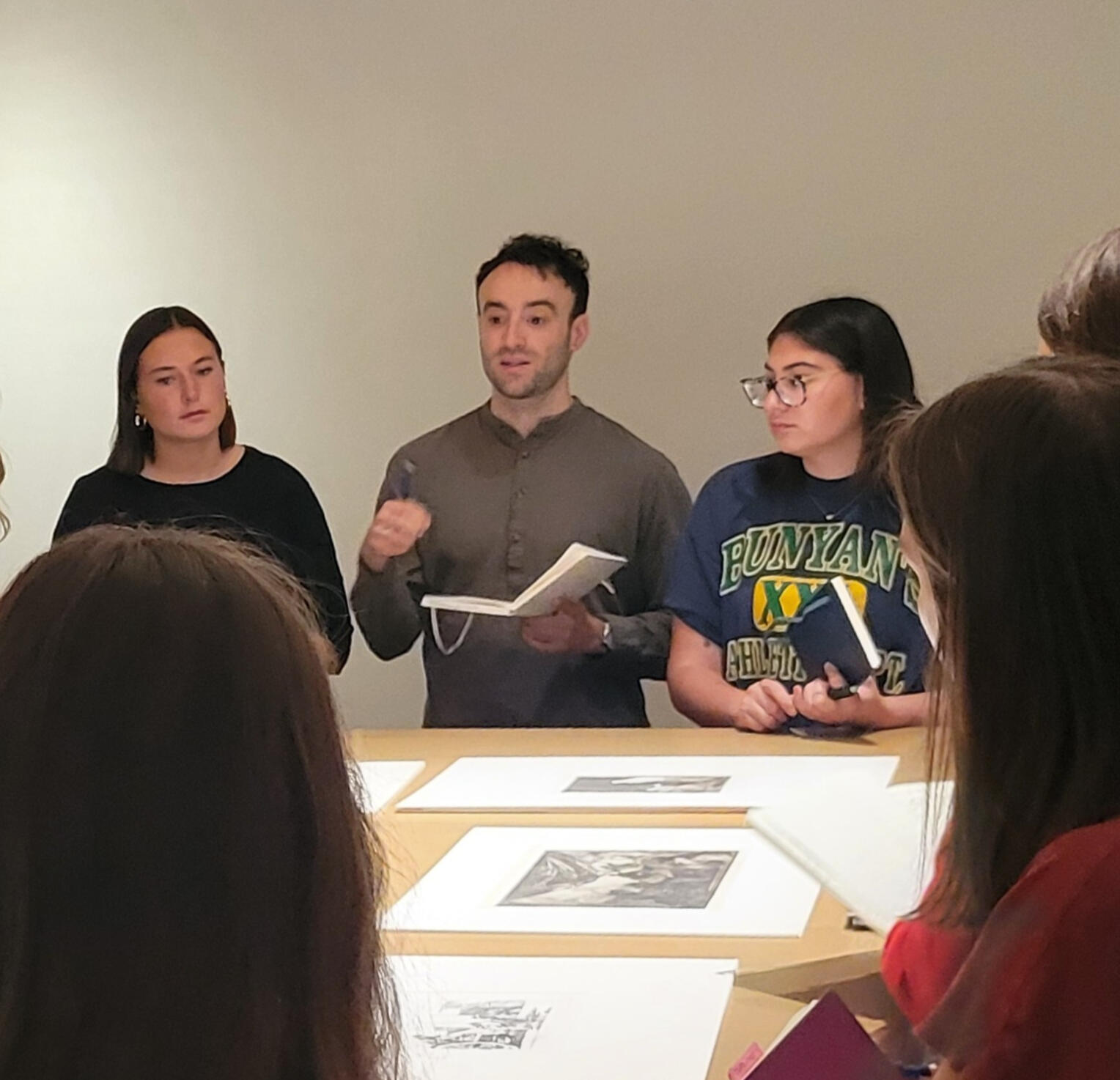
Discussing Goya’s Los Caprichos at the Fralin Museum of Art, University of Virginia, 2025.
PERSPECTIVES ON MODERN SPAIN: AN IMPERIAL GEOGRAPHY
(FALL 2025 · UNIVERSITY OF VIRGINIA)
How does modern Spanish culture narrate what it remembers, and how does it construct what it forgets?
Perspectives on Modern Spain follows Spanish literature and culture from the late eighteenth century to the present. Its geography extends beyond the Peninsula. The course treats Spain as an imperial formation whose institutions and cultural life took shape across the Peninsula and the Philippines, places drawn into the same imperial project from unequal positions. Writing produced there belongs to the history of Spain and often challenges the terms in which that history has been told.Students read literary works alongside maps, paintings, architecture, film, radio, and archival documents. Their notebooks become critical archives over the semester, preserving work from different weeks so that it can be rearranged and reread. The final weeks turn to fragmented memory and to what survives outside the official record.
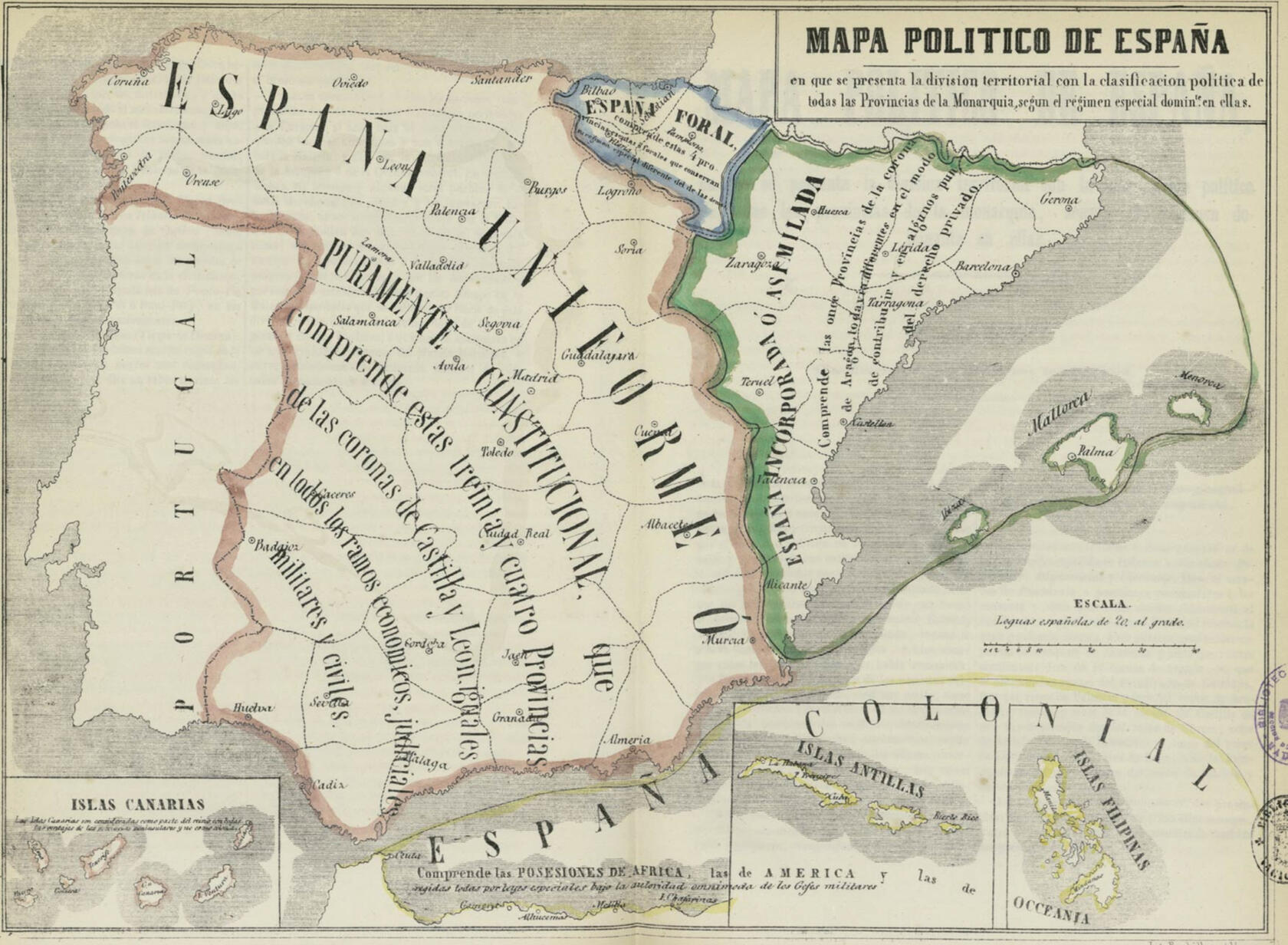
Torres Villegas, Mapa político de España (1852), distinguishing España uniforme, España asimilada, España colonial, and España foral.
SELECTED STUDENT CRITICAL ARCHIVES
Throughout the semester, students built critical archives in which handwritten notes, visual materials, theory reflections and revised analytical writing accumulated across the course.
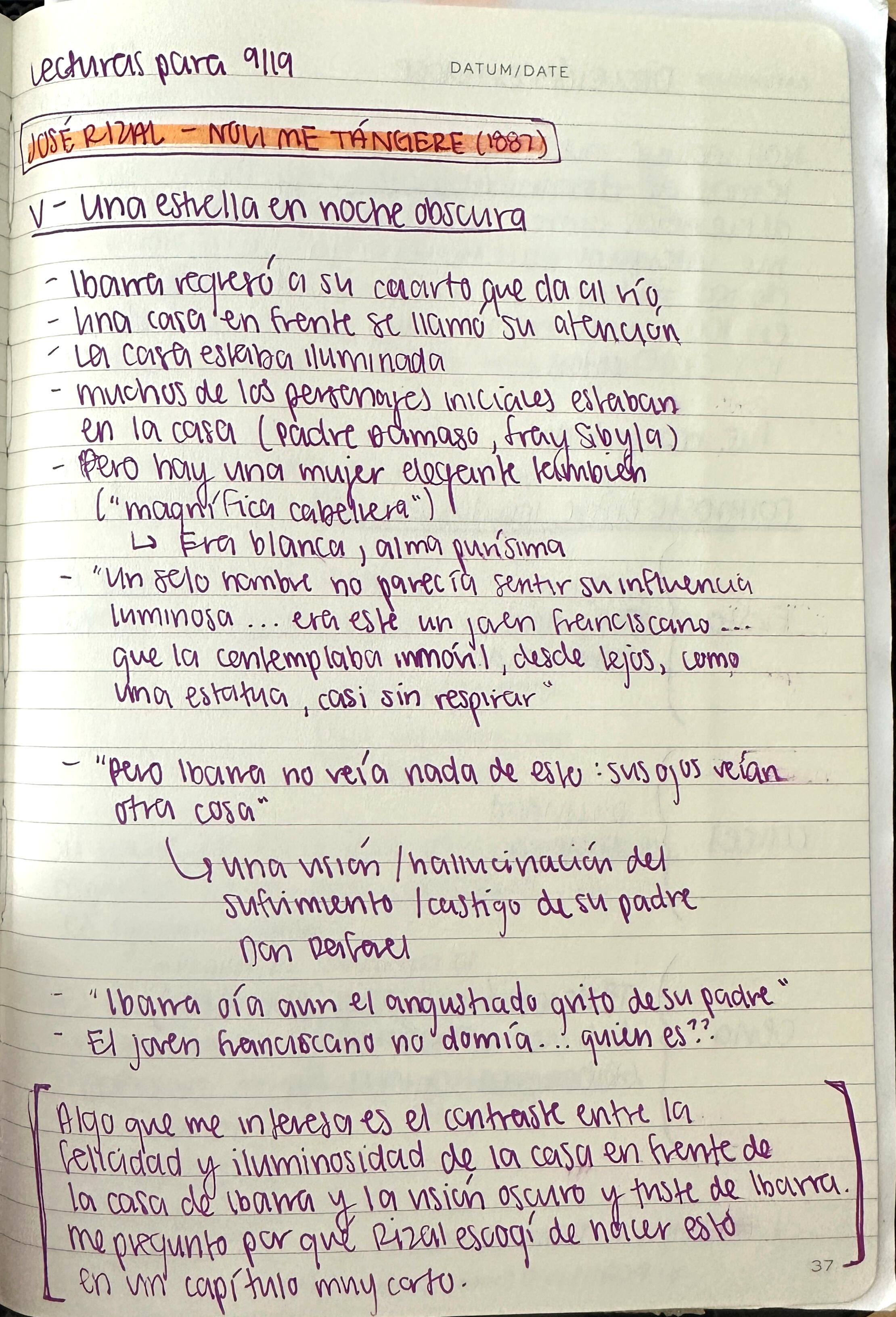
Pages from Nina Broderick’s critical archive on José Rizal's Noli me Tangere, Fall 2025. Reproduced with permission.
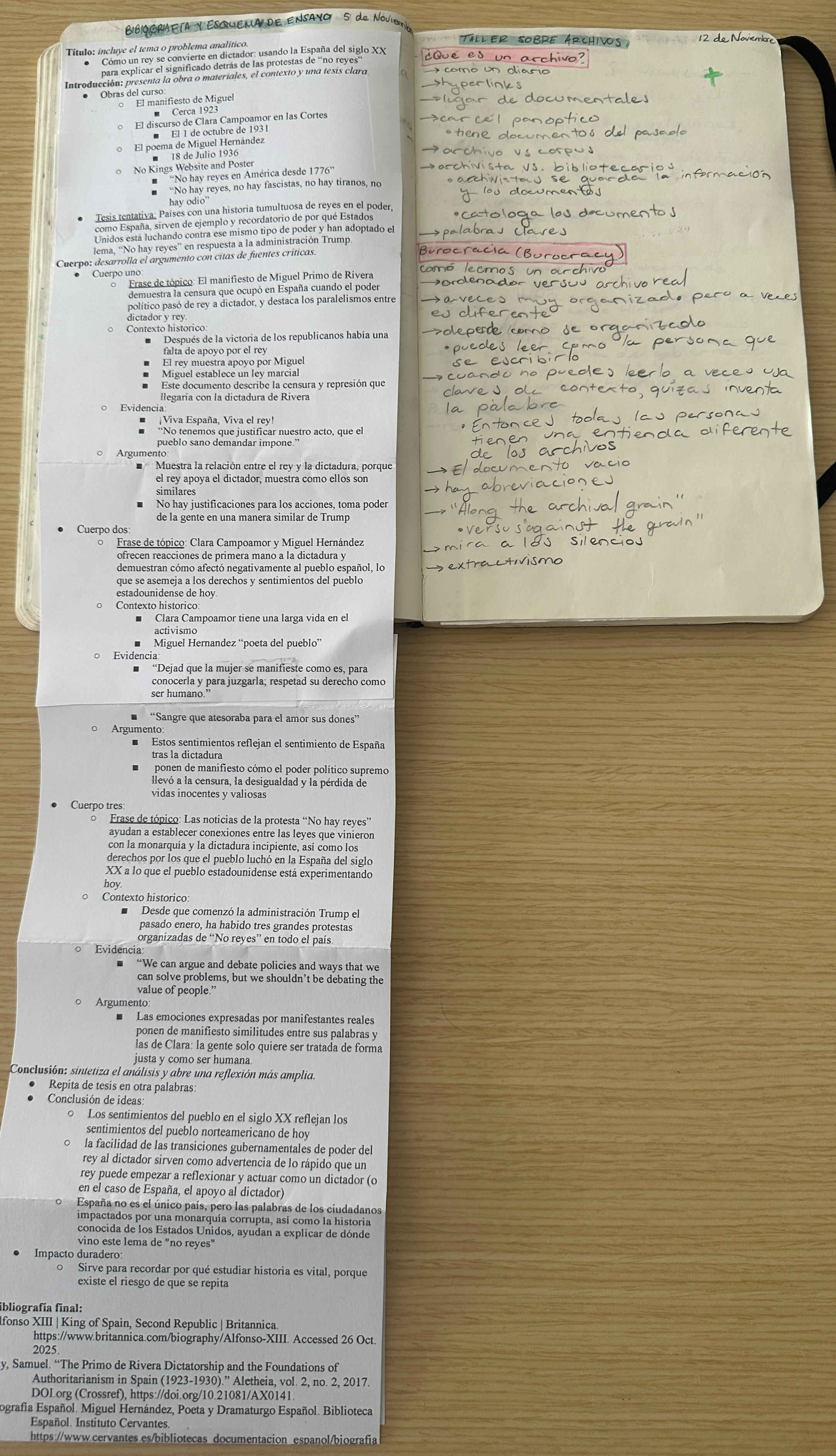
Archival workshop notes alongside a source-based essay reading Primo de Rivera’s 1923 manifesto in relation to texts by Clara Campoamor and Miguel Hernández. Reproduced with permission.
TEXTS & INTERPRETATION
(FALL 2023 · FALL 2026 · UNIVERSITY OF VIRGINIA)
How does Spanish carry different histories?
Texts & Interpretation introduces students to close reading through literary and visual works from across the Spanish-speaking world with en emphasis on Global Hispanophone narratives. Narrative, poetry, theatre, and graphic forms are studied in relation to the different histories carried by Spanish. A shared language produces a polyphonic literary tradition; the course follows the formal choices through which writers make meaning from distinct positions within it.Students learn literary analysis by moving between attentive reading and experiments with form. Analytical writing develops through short commentaries that are discussed and revised before students make longer arguments in Spanish. The course culminates in a collaborative digital zine. Each student turns a close reading into a public piece, bringing text and image together on the page.